Does digital marketing help you in building long-term brand awareness?
On Monday morning, a founder opens three dashboards before the first coffee is finished. Website traffic is up. Social reach looks decent. A paid campaign has delivered clicks from four countries. Yet one question keeps coming back.
Why does it still feel like people know the product only after a hard sales push?
That is the real brand awareness problem.
A lot of businesses think awareness means getting seen once. It does not. Long term brand awareness means people start recognizing your name, remembering what you do, trusting your message, and recalling you when a need appears weeks or months later. That is where digital marketing becomes powerful. It gives you repeated, measurable, and targeted visibility across the places your audience already spends time. When strategy, creative, and measurement work together, digital marketing does not just generate noise. It builds memory.
Many articles on this topic stop at a simple answer like yes, social media helps, SEO helps, ads help. That is too shallow. The real answer is yes, digital marketing helps you build long term brand awareness, but only when your channels reinforce each other, your content is useful, your brand appears consistently, and your campaigns are measured beyond vanity metrics. Long term brand building also works best when it is balanced with short term activation, not treated like a separate universe.
Here is what actually makes digital marketing useful for lasting awareness.
-
It puts your brand in front of the right people, not just more people
-
It lets you repeat the same core message across search, social, ads, email, and content
-
It helps you measure visibility, recall, and engagement over time
-
It turns your website into a credibility asset, not just an online brochure
-
It improves trust through better content, faster responses, and stronger customer experience
For businesses that want one team to connect strategy, paid media, SEO, content, and performance tracking, this is where many decision makers start comparing the best digital marketing agency near me. The reason is simple. Awareness grows faster when one system handles the message across every major channel.
Digital marketing is especially strong for tech brands, growing service businesses, ecommerce stores, and companies entering new markets. In these spaces, buyers rarely convert on the first touch. They search, compare, ask others, read reviews, watch clips, revisit your site, and then come back later. Digital channels keep your brand present during that longer journey.
Another reason this matters more now is search behavior itself. Google has stated that success in its AI search experiences comes from unique, people first content that satisfies visitors, and it also notes that AI driven search behavior is producing longer, more specific queries. That means brand visibility is no longer only about ranking for a short keyword. It is about being useful enough to show up across more detailed questions and follow up searches.
So yes, digital marketing can absolutely help you build long term brand awareness. But it works best when you stop thinking in isolated tactics and start thinking in a visibility system. Let us break that system down.
How to measure brand awareness in digital marketing campaigns?
This is where most blogs become vague.
They tell you to track likes, impressions, and follower growth, then move on. Those numbers matter, but on their own they do not tell you whether your brand is actually becoming more memorable. A campaign can get attention without building brand memory. It can attract clicks without creating trust. It can even generate traffic without making people search for you again.
To measure awareness properly, you need to look at signals that show increasing familiarity, recall, and preference.
Start with five core measurement groups.
-
Search visibility metricsTrack branded and non branded impressions, clicks, and average position in Google Search Console. Google documents these metrics directly in the Performance report, and branded query analysis has become easier with the newer branded filter in Search Console. If branded impressions and branded clicks are rising, your awareness is usually improving.
-
Traffic quality metricsUse GA4 to review direct traffic, organic traffic, engaged sessions, returning users, and campaign traffic tagged with UTM parameters. UTMs matter because they show which channels are actually introducing and re engaging audiences.
-
Recall and lift metricsIf you run video, display, or paid social, do not guess. Google Ads Brand Lift and Meta ad recall lift are designed to estimate how much people remember your ads after exposure. That is one of the clearest awareness measurements available in paid media.
-
Share of voice and mention trendsTrack how often your brand is mentioned compared with competitors across search, media, reviews, and social. This shows whether your visibility is growing in the market, not just on your own channels.
-
Response and trust signalsMonitor branded search growth, review volume, repeat visits, email signups, demo requests from direct traffic, and how often prospects say they have seen your brand before. Those small signals often reveal awareness before revenue catches up.
A strong awareness dashboard should answer questions like these.
-
Are more people searching for our brand name this quarter than last quarter
-
Are organic impressions growing even for pages that are not direct sales pages
-
Are we seeing more direct visits from people who already know us
-
Do social and paid campaigns lead to branded search later
-
Are prospects mentioning our content before they contact sales
-
Is our review and sentiment profile improving with visibility
If your dashboard only shows clicks and cost per click, you are measuring campaign activity, not brand awareness.
A better way to judge progress is to compare trends over ninety day and one hundred eighty day windows. Awareness builds gradually. One viral week can be exciting, but repeated branded search, stronger engagement from returning visitors, higher ad recall, and more direct visits tell a much deeper story.
You should also separate awareness metrics from conversion metrics without disconnecting them. Awareness is not the same as lead generation, but awareness supports lead generation. The right question is not only did this campaign convert today. It is also did this campaign make more people remember us, trust us, and come back later.
A practical measurement stack for most businesses looks like this.
-
Search Console for branded and non branded search visibility
-
GA4 for direct, organic, and assisted traffic trends
-
Google Ads for Brand Lift when video and demand campaigns are active
-
Meta for ad recall and awareness reporting on paid social
-
CRM notes for source quality and repeated brand mentions
-
Monthly qualitative review of comments, reviews, and sales conversations
If you want a team to build that reporting structure without turning it into dashboard overload, this is often the point where businesses start looking for digital marketing consulting near me. Good measurement is not about more charts. It is about seeing which channels are making your brand easier to remember.
How can social media marketing boost brand awareness for tech?
Tech companies often make the same mistake.
They talk like product teams when they should communicate like educators.
Features matter, but features rarely build awareness on their own. Awareness grows when your audience quickly understands what problem you solve, why it matters, and why your brand feels easier to trust than the alternatives. Social media is perfect for that because it turns complex ideas into frequent, visible, human communication.
For tech brands, social media does four big jobs.
-
It simplifies complicated offers into clear benefits
-
It gives your brand a face and voice
-
It creates repeated exposure in the feed, not only when someone searches
-
It opens direct conversation with prospects, customers, and industry peers
This is especially useful in tech because buyers often need multiple explanations before they act. A single landing page rarely does the entire job. But a steady mix of educational posts, founder insights, customer proof, short demos, industry reactions, and useful how to content can move your brand from unknown to familiar.
The best social media awareness content for tech usually includes:
-
Short videos that explain one pain point and one solution
-
Carousel posts that break down a process, workflow, or result
-
Screenshots or clips showing the product in action
-
Customer stories that focus on business outcomes
-
Myth busting posts that challenge industry confusion
-
Founder or team commentary on trends that affect buyers
-
Educational posts that answer real objections before a sales call
For B2B tech, LinkedIn is often the highest trust platform. For product demonstrations and search discovery, YouTube can compound well. For creative reach and lighter content, Instagram and short form video can support recall. The right platform mix depends on your buyer, but the rule stays the same. Do not post only announcements. Post clarity.
That is where social media becomes more than visibility. It becomes positioning.
Meta’s awareness objective is explicitly designed to reach people who are most likely to remember your ad, which is why paid social should be paired with organic social rather than treated as a separate strategy. Organic content builds trust. Paid distribution expands exposure. Together, they help your brand get seen and remembered.
For tech companies, social media can also shorten the trust gap.
When someone sees your team explain a topic consistently, reply to comments intelligently, publish useful breakdowns, and share real customer wins, your brand starts feeling credible before the first sales conversation. That lowers friction later in the funnel.
Here is a simple framework that works well.
-
Choose three to five recurring content themesExample themes might be industry education, product use cases, customer proof, team expertise, and market commentary.
-
Turn one strong idea into multiple formatsA webinar insight can become a clip, a carousel, a short post, an email, and a blog section.
-
Maintain visual and message consistencyThe same tone, design style, and promise should appear across every post.
-
Reply fastAwareness is not just reach. It is also responsiveness. Fast and intelligent replies make your brand feel alive.
-
Promote your best organic contentIf a post already gets strong engagement, use paid support to expand its reach to similar audiences.
If your internal team is stretched, many brands solve this by bringing in social media marketing services near me. The goal is not posting for the sake of posting. The goal is building a brand that shows up often enough, clearly enough, and consistently enough to stay in the buyer’s mind.
One more point matters for tech. Awareness content should not always sell the product. Some of your strongest posts should simply make your audience smarter. That is how trust starts.
How does online advertising help in building global brand awareness?
Organic growth is powerful, but it is usually gradual. Online advertising gives you speed.
If you want to enter new markets, launch in new regions, test international demand, or put your message in front of audiences who have never heard of you, paid media helps you do that quickly. Search ads, display campaigns, video campaigns, and paid social all let you scale awareness with much more control than waiting for organic discovery alone.
That does not mean every ad should be built for conversions.
One of the biggest mistakes businesses make is forcing every campaign to chase immediate leads. That approach underfunds awareness and makes brands invisible in the places where discovery starts. The better approach is to treat awareness ads and conversion ads as connected layers.
Awareness ads build familiarity. Retargeting and search ads capture intent later.
Google Ads explains that awareness can be measured through impressions, conversions, and other campaign statistics, while Brand Lift studies go further by measuring direct impact on awareness, ad recall, consideration, and purchase intent. Meta’s awareness campaigns are built around showing ads to people most likely to remember them. In other words, the platforms themselves already separate awareness from pure last click performance.
For global brand awareness, online advertising helps in several practical ways.
-
You can segment audiences by country, city, language, device, and behavior
-
You can test messages for different regions without rebuilding your whole website
-
You can localize creative while keeping one brand identity
-
You can gain rapid visibility in markets where organic presence is still weak
-
You can retarget visitors and reinforce brand memory after the first touch
Let us say a company wants to grow in the UK, Canada, UAE, and Australia. Organic visibility in all four regions will take time. But paid search and paid social can immediately start introducing the brand to targeted audiences in each market. The trick is not to duplicate one generic ad everywhere. The trick is to localize the promise.
For example:
-
UK campaigns may need a more professional and results focused tone
-
UAE campaigns may need bilingual creative and stronger trust cues
-
Australia may respond better to direct, practical messaging
-
Canada may benefit from region specific segmentation and softer positioning
Global awareness improves when the creative feels relevant to the local audience, even while the brand identity stays consistent.
The best campaign mix for international awareness usually includes:
-
Search campaigns for high intent regional discovery
-
Display and YouTube for broad visual recall
-
Paid social for repeated exposure and engagement
-
Retargeting for people who visited but did not act
-
Branded search monitoring to see whether awareness is lifting over time
A lot of businesses also forget the landing page experience. If your ad speaks to a local audience but the destination feels generic, trust drops immediately. Your landing pages should reflect language, use case, location relevance, and proof that fits the market you are targeting.
This is also where the right paid strategy can support SEO. As ads create visibility, more people may search your brand name directly later. That increase in branded search can become one of the strongest signs that awareness campaigns are working beyond the immediate click.
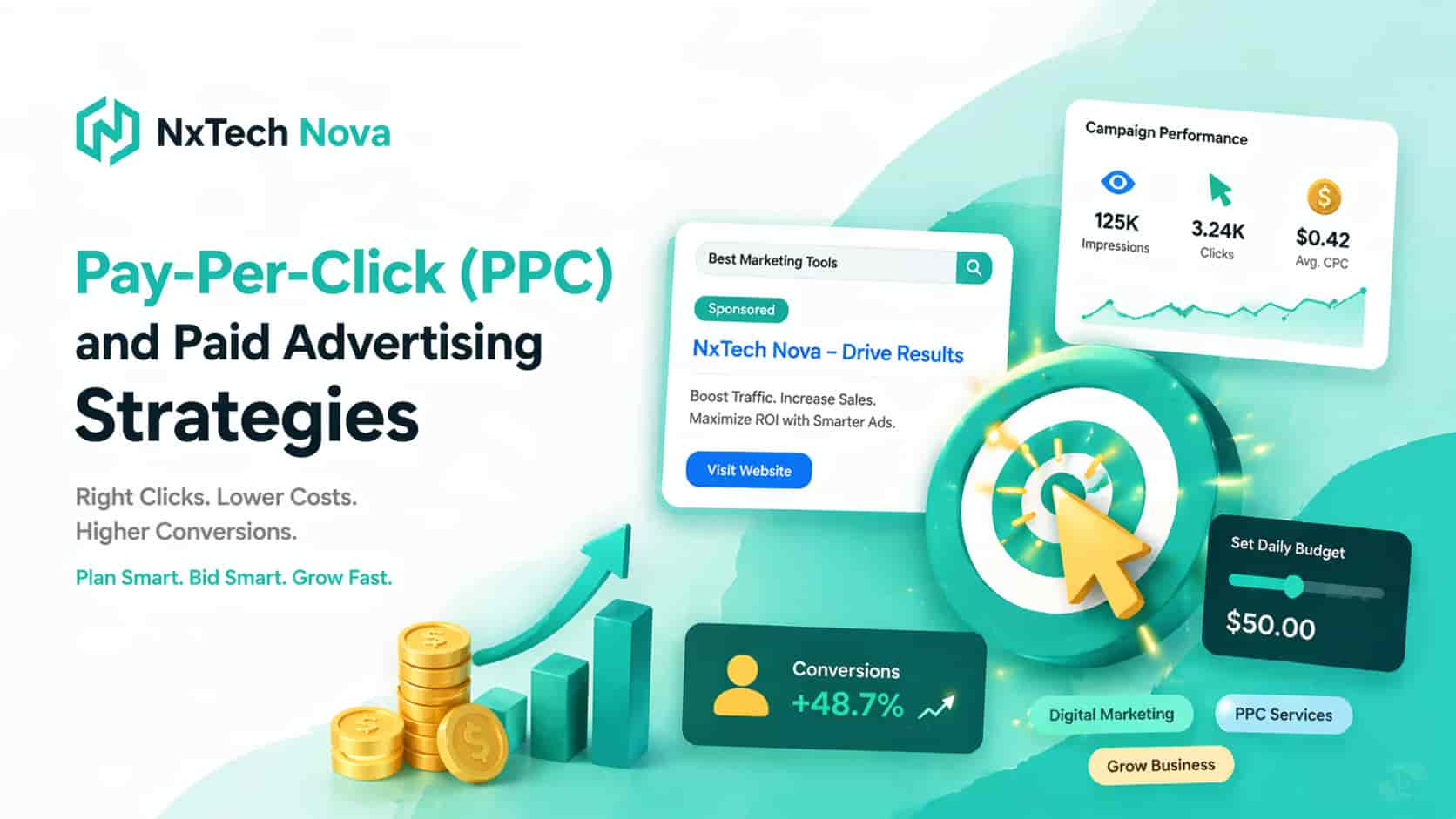
For teams that want that kind of coordinated paid growth, many start by searching for ppc services near me. The real advantage is not just buying traffic. It is building awareness campaigns that create memory first and conversions after.
How to increase brand visibility through SEO and content marketing?
If paid media gives you speed, SEO and content marketing give you compounding visibility.
This is the part many brands underinvest in because it does not always look dramatic in the first month. But over time, SEO and content are often what make a brand feel established. When your brand repeatedly appears in helpful searches, answers real questions, and publishes content people trust, awareness stops depending on ad spend alone.
Google’s guidance is clear. Content should be helpful, reliable, people first, and created to benefit visitors. Google has also said that content succeeding in AI driven search experiences should be unique and non commodity, especially as users ask longer and more specific questions. That matters because modern brand visibility is not just about ranking one service page. It is about becoming the source people keep encountering across problem based searches.
This is why SEO and content marketing are central to long term awareness.
SEO makes you discoverable.Content makes you memorable.
When the two work together, they create a flywheel.
-
Search brings in new audiences
-
Content helps them understand and trust you
-
Good experience makes them stay longer
-
Strong internal links move them deeper into your site
-
Helpful content earns repeat visits, shares, and mentions
-
Repeated visibility strengthens brand recall
A practical SEO and content strategy for awareness should include:
-
Service pages that clearly explain what you doThese pages should not be thin or vague. They need clear positioning, outcomes, proof, and relevance for the search intent.
-
Educational blog content built around buyer questionsThis includes comparisons, how to guides, strategy explainers, common mistakes, and use case articles.
-
Topic clustersInstead of random blog posts, build groups of content around one core service or audience problem.
-
Brand building contentPublish case studies, founder viewpoints, customer wins, frameworks, and original insights.
-
Conversion paths inside helpful contentDo not turn every paragraph into a sales pitch, but do give readers the next logical step.
Most competitor articles stop at saying publish blogs consistently. That advice is incomplete. What matters is whether the content is mapped to intent.
For example, if your company offers digital marketing, brand awareness content should connect to related questions your audience is already asking:
-
How do I measure brand awareness
-
Which channels create the strongest recall
-
What is the role of SEO in brand building
-
How can content support trust before a sales call
-
What kind of paid campaigns improve awareness in new regions
When your blog answers those questions well, your brand becomes associated with clarity. That is awareness.
SEO also improves visibility even before the click. Search Console impressions matter because repeated appearance in search results builds familiarity. People do not have to click the first time to start recognizing your name. That repeated exposure is part of how awareness grows. Search Console’s performance reporting and branded query filtering make it easier to see this trend.
Content marketing then deepens the effect.
Good content does not just attract traffic. It lowers uncertainty.
A well built brand awareness content engine often includes:
-
Blog posts targeting educational and commercial intent
-
Short form thought leadership adapted from long form content
-
Email summaries that bring visitors back
-
Downloadable guides or checklists
-
Video explainers embedded into key pages
-
FAQ sections that answer objections clearly
-
Internal links from awareness content to service pages
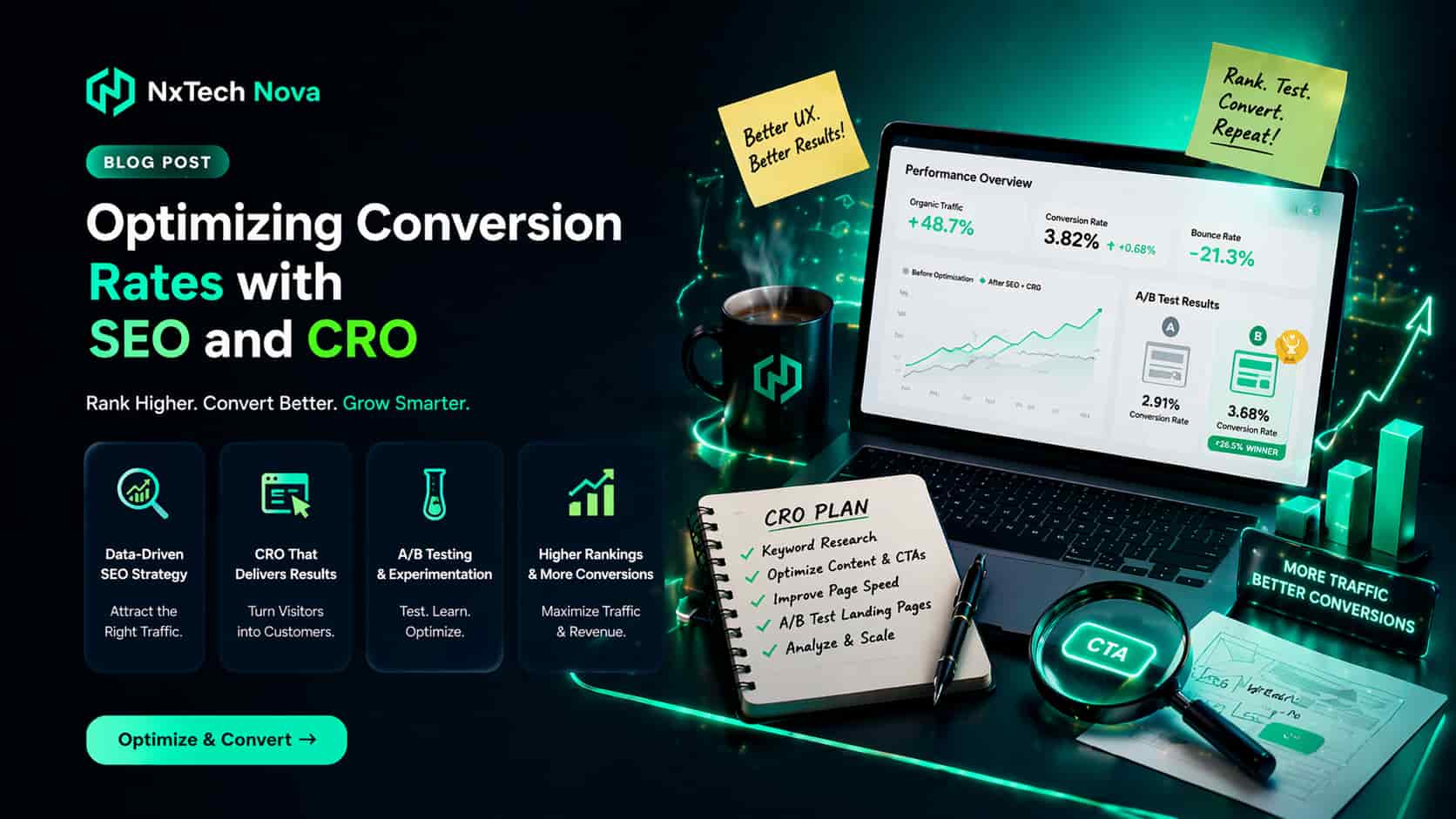
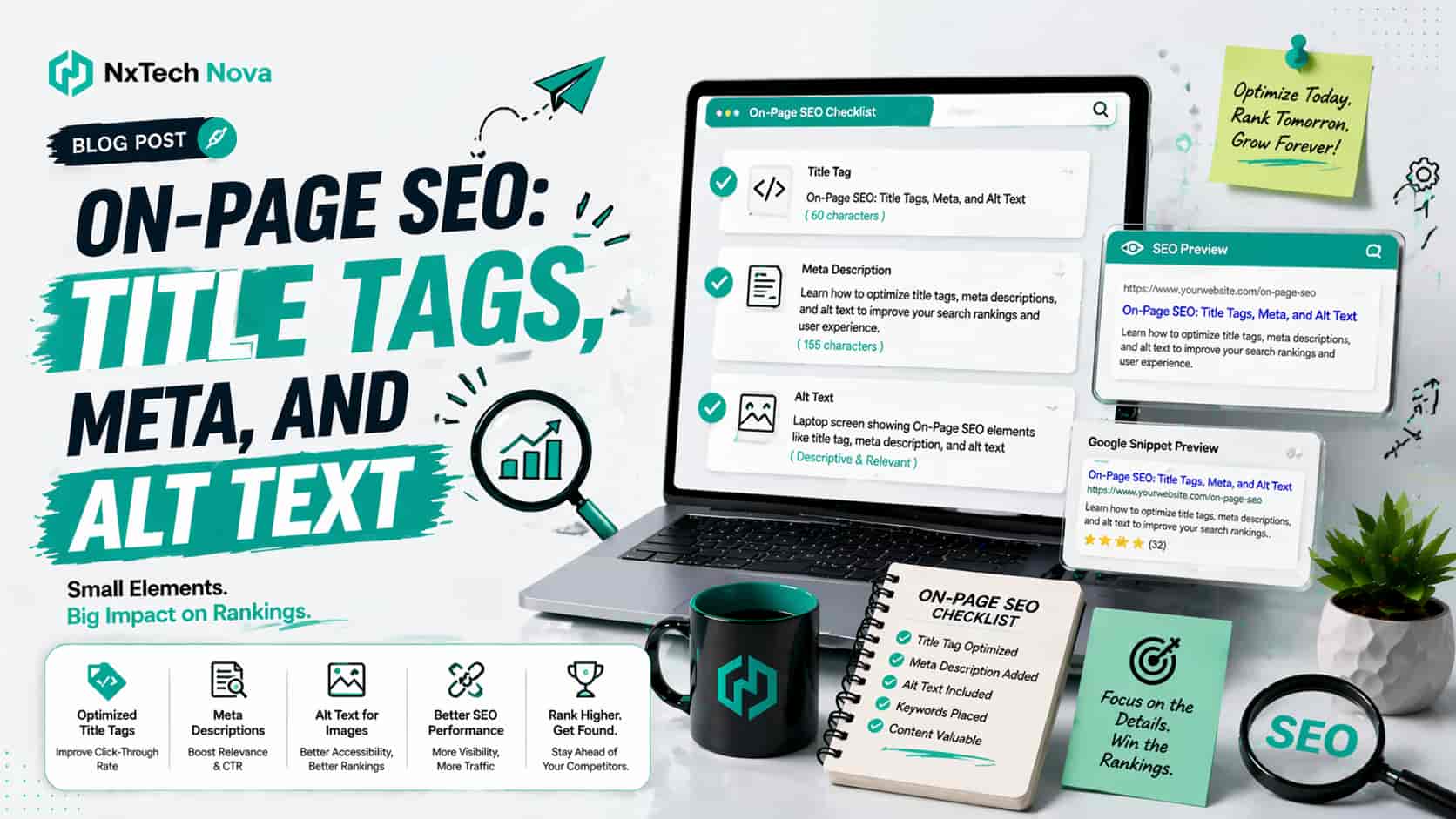
This is the stage where businesses often need both strategic content and technical search visibility. That is why readers who are already feeling the cost of weak visibility tend to compare seo services near me and content marketing services near me when they realize traffic alone is not enough. They need discoverability and authority at the same time.
One more point matters for 2026. AI driven search is changing how people ask questions. Instead of searching only a broad phrase, users are asking layered, conversational questions. Brands that publish specific, expert, and genuinely useful content are better positioned to appear in those discovery moments. If your content solves the question completely, your brand becomes part of the answer.
That is how SEO and content marketing increase visibility in a way that lasts.
How to use digital marketing to improve my customer service and trust?
Brand awareness without trust is just recognition.
People may know your name and still avoid buying from you.
That is why the strongest digital marketing strategies do not stop at reach. They improve the customer experience itself. When people find helpful content, receive quick answers, see a consistent message, and feel supported before and after contact, trust rises. And trust is what turns awareness into preference.
Think with Google has emphasized the importance of stronger omnichannel customer experience. That matters because modern buyers do not separate your marketing from your service. To them, your ad, website, support reply, email, and social comment all feel like one brand experience.
Here is how digital marketing improves customer service and trust in practical terms.
1. It answers questions before customers have to ask
Great content reduces friction.
A clear service page, a helpful blog, a visible pricing explanation, a short video demo, and a strong FAQ page all act like customer service before a human conversation even starts. This is especially important in tech and service businesses where uncertainty slows decisions.
2. It makes your brand easier to reach
Social media replies, live chat, forms, email flows, and clear call to action paths all reduce the effort required to contact you. A slow response feels risky. A fast and useful response feels reliable.
3. It shows consistency
Trust grows when your message is the same everywhere. If your ads promise one thing, your website says another, and your sales team says something else, confidence drops. Digital marketing helps align those touchpoints.
4. It gives prospects proof
Case studies, reviews, testimonials, before and after examples, and expert content reduce doubt. They tell people that your brand does what it says.
5. It creates a better post click experience
Many businesses focus on getting the click but ignore what happens next. Trust often rises or falls after someone lands on your site. Fast loading pages, clear navigation, useful next steps, and clean messaging all shape perception.
A strong trust building setup often looks like this.
-
Helpful landing pages that match the promise in the ad
-
Blog content that addresses buyer objections honestly
-
Review and reputation management across search and social
-
Email sequences that educate instead of only selling
-
Support content that reduces confusion after signup
-
Clear contact options with realistic response expectations
Email deserves special attention here.
It is one of the most underrated trust channels because it keeps your brand present in a calmer, more direct environment than a crowded feed. Welcome emails, educational sequences, onboarding messages, helpful follow ups, and customer care emails all reinforce credibility. They also reduce the gap between marketing and support.
If your business needs help building that kind of follow up system, a lot of teams start looking at email marketing agency near me options once they realize brand trust is not built only in public channels.
There is also a deeper point.
Customer service itself is a brand awareness tool.
When someone gets a useful reply, a fast solution, or a genuinely helpful email, they remember your brand differently. They talk about it differently too. That is why digital marketing and customer care should never operate like separate departments.
For tech brands, this is even more important because buying anxiety is usually higher. People worry about setup, integration, complexity, support, onboarding, and long term value. Your digital presence should actively reduce those fears.
Here are the trust signals that matter most.
-
Real people on your team pages
-
Clear explanations without jargon overload
-
Transparent process details
-
Honest content that discusses limitations as well as strengths
-
Consistent branding across search, social, email, and website
-
Proof of outcomes, not only promises
-
Fast, respectful replies to comments and enquiries
When your digital marketing does all of that, awareness becomes durable. People do not just remember your name. They remember how your brand made them feel.
Conclusion
Digital marketing does help in building long term brand awareness, but not because one channel magically fixes everything.
It works because the right system makes your brand visible, understandable, and trustworthy across multiple moments. Search helps people discover you. Social helps them remember you. Paid ads help you scale awareness faster. Content builds authority. Better customer experience turns recognition into trust.
If you measure the right signals, keep your message consistent, and create useful content that answers real questions, awareness becomes an asset that compounds over time instead of disappearing when a campaign ends.
For brands that want all of that connected in one direction, the smartest next step is usually finding a partner that can align strategy, SEO, paid media, content, and customer journey. That is why businesses serious about long term visibility often start by reviewing the best digital marketing agencies near me before choosing who will shape the brand people remember first.